
Crypto Market: The Regulatory Squeeze (- Thoughts?)
Julian Vance's Take: Regulatory Shifts and Market Opportunities in Crypto's Evolving Landscape
The crypto market in 2025 is a fascinating case study in how regulatory clarity—or the lack thereof—can dramatically impact market dynamics. We're seeing a global push for consistent regulation, particularly around stablecoins, and it's creating some clear winners and losers. The TRM Labs report highlights that over 70% of jurisdictions progressed stablecoin regulation in 2025. But what does that actually mean for investors? Let's dig into the numbers.
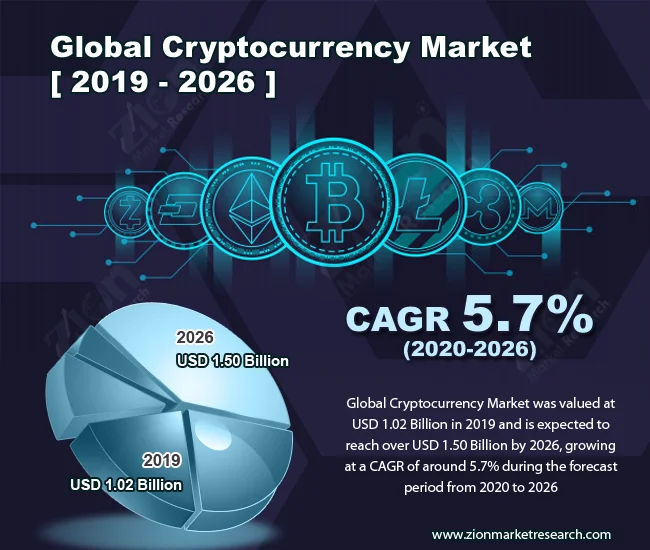
The Stablecoin Scramble: A Global Overview
Stablecoins as Institutional On-Ramps
The report paints a picture of stablecoins taking center stage, and rightly so. They've become the on-ramp for institutional adoption (because, let's be honest, no institution wants to deal with Bitcoin's volatility). The US's GENIUS Act (yes, that's really what they called it) and the EU's MiCA rollout are prime examples of regulators trying to wrangle this beast. But the devil, as always, is in the details.
EU Regulatory Fragmentation: A "Complete Mess"
Consider the EU. The report mentions "national authorities diverge on approaches." This is analyst-speak for "a complete mess." While MiCA aims for harmonization, the reality is that enforcement is inconsistent. Austria, France, and Italy are already calling for a stronger EU framework, citing "major differences in how crypto markets are being supervised by national authorities." This creates regulatory arbitrage opportunities, where firms flock to the countries with the weakest enforcement. It's a race to the bottom, and it undermines the entire purpose of MiCA.
US Crypto-Friendly Approach Under Trump
On the other hand, the US, under the Trump administration, has taken a more crypto-friendly approach. The report notes the PWG's 163-page report, directing regulators to provide clarity even absent congressional action. This is a significant shift from the enforcement-heavy stance of previous administrations. The US SEC, under Chair Paul Atkins, is modernizing securities regulation and clarifying when tokens qualify as securities. This provides much-needed certainty for businesses operating in the US.
Lingering US Regulatory Uncertainty
But here's the rub: even with these positive developments, the US regulatory landscape is still fragmented. The GENIUS Act is a step in the right direction, but it only addresses stablecoins. Market structure legislation is still in the works, and it's unclear when it will pass. This uncertainty creates risks for investors. A sudden regulatory crackdown could wipe out billions of dollars in value overnight.
DeFi's Omission from the TRM Labs Report
And this is the part of the report that I find genuinely puzzling: the lack of discussion about DeFi. The TRM Labs report focuses almost exclusively on centralized exchanges and stablecoins. But DeFi is a growing part of the crypto ecosystem, and it presents unique regulatory challenges. How do you regulate a decentralized protocol? How do you enforce AML/CFT requirements when there's no central authority? These are the questions that regulators need to answer, and the TRM Labs report doesn't even address them.
The Sui Network: A Technological Leap or Just Hype?
Sui's Innovative Architecture: Low Latency and High Throughput
The TRM Labs report focuses on policy, but it's important to also consider the underlying technology. The report mentions Sui's "innovative architecture," which offers low-latency transactions, high throughput, and parallelized execution. These are all desirable features, but how do they translate into real-world benefits? For an overview of Sui's current market position, see Sui price today, SUI to USD live price, marketcap and chart.
Object-Oriented Design and Parallel Execution
Sui's object-oriented design is interesting, but it's not entirely new. Other blockchains, like Ethereum, also support object-oriented programming. The key difference is that Sui treats everything as an object, which allows for parallel execution of transactions. This is a significant advantage, as it can dramatically improve transaction speeds.
Security Risks of Sui's Object-Oriented Approach
But here's the catch: Sui's object-oriented design also creates new security risks. If everything is an object, then everything is potentially vulnerable to attack. A single bug in the code could compromise the entire network. This is a risk that Sui developers need to be aware of.
Questioning Sui's Stable Transaction Fees
Sui also claims to offer "stable transaction fees." This is a major selling point, as high transaction fees have been a persistent problem for other blockchains. But how does Sui achieve this? The report doesn't say. It's possible that Sui subsidizes transaction fees in some way, but this is not sustainable in the long run.
zkLogin and Privacy Concerns
The report also mentions zkLogin, which allows users to create and manage Sui accounts with a simple web login like Google. This is a welcome development, as it makes it easier for new users to onboard onto the Sui network. But it also raises privacy concerns. Google already knows a lot about us. Do we really want to give them access to our crypto wallets as well?
Sui's Technology: Promising but Not a Panacea
Overall, Sui's technology is promising, but it's not a panacea. It has potential benefits, but it also has potential risks. Investors need to weigh these risks and benefits carefully before investing in Sui.
What's Actually Going On?
The crypto market in 2025 is a complex and rapidly evolving landscape. Regulatory clarity is improving in some jurisdictions, but it remains fragmented in others. Stablecoins are becoming increasingly important, but they also present new regulatory challenges. New technologies, like Sui, are emerging, but they also have potential risks. Investors need to be aware of these risks and opportunities before investing in crypto.
Ultimately, the success of crypto will depend on whether regulators can strike a balance between innovation and consumer protection. If they can, then crypto has the potential to transform the financial system. If they can't, then crypto will remain a niche asset class.
Numbers Don't Lie, but Regulators Do
The key takeaway here isn't about any specific coin or technology; it's about the regulatory landscape. The
Why Crypto's Crashing: It's All Planned (- Thoughts?)
Next PostThis is the latest post.
Related Articles